
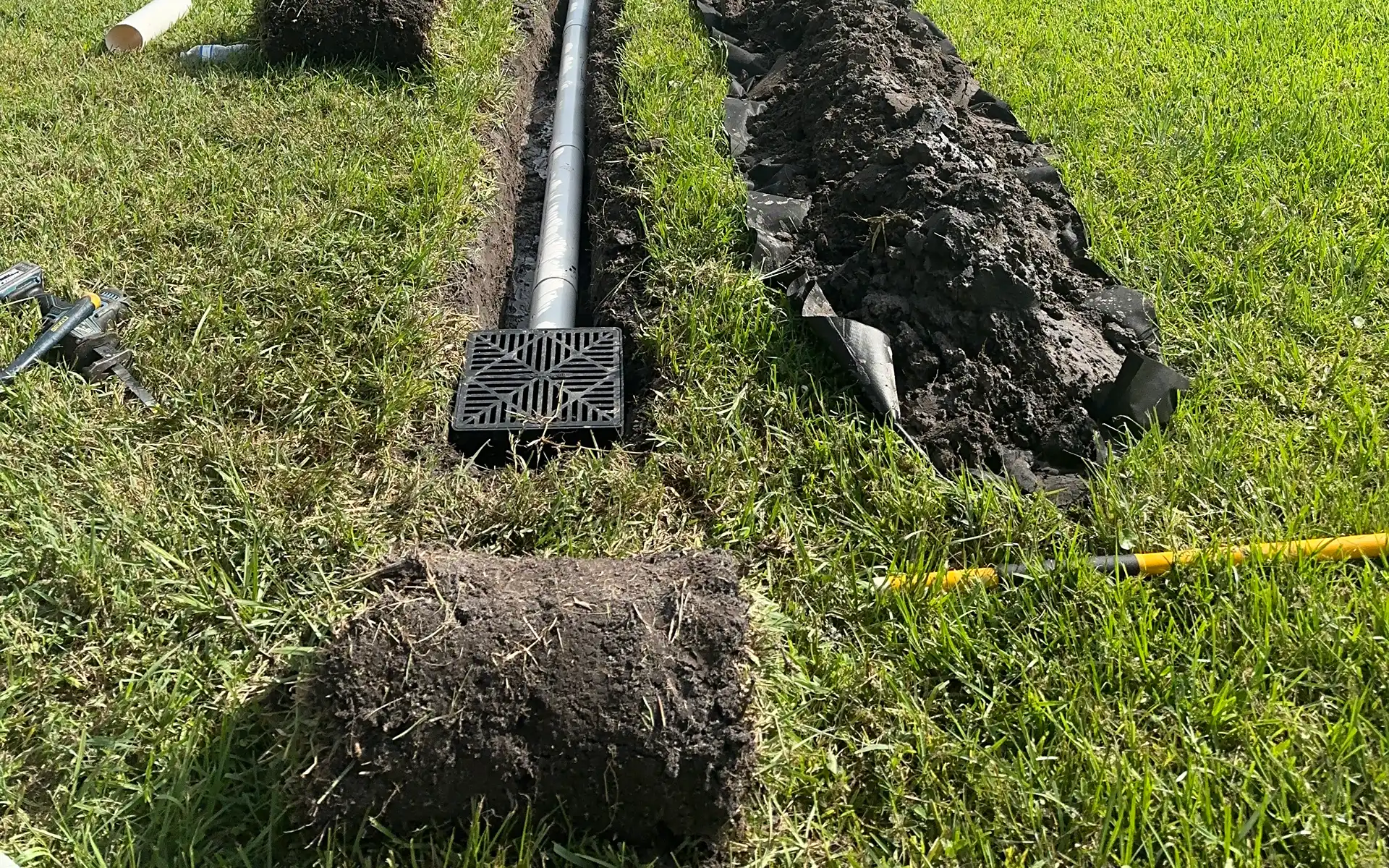
Drain Box & Catch Basin Installation in DeLand, FL
Does rainwater collect in the same low spot every time it rains? We install drain boxes, catch basins, and underground drainage systems to collect standing water and move it away from problem areas.
From muddy lawns and flooded side yards to water collecting near patios and walkways, we'll evaluate where the water is coming from and where it can go.
Tell Us Where Water Collects
Describe the flooding or standing water you're experiencing and where your property is located.
Is Water Collecting in the Same Spot After Every Storm?
Sometimes water doesn't need to be absorbed through the soil. It needs to be collected at the surface and directed somewhere else. That's where a properly located drain box can make a difference.
Puddles in Low Areas
Rainwater runs toward a depression in your lawn and remains there after the surrounding ground has dried.
Flooding Between Houses
Runoff from roofs and neighboring surfaces collects in a narrow side yard with limited drainage options.
Muddy Walkways & Entries
Water settles beside an entryway or path, creating muddy conditions and making the area difficult to use.
Runoff From Several Directions
Sloping lawns, paved surfaces, and landscape beds all send water toward the same collection point.
Sound familiar? A drain box may be part of the solution, but the location and discharge route need to be right.
Discuss Your Drainage ProblemWhat Is a Drain Box and How Does It Work?
A drain box, also called a catch basin, is a collection point installed at or near ground level. It typically has a removable grate that allows surface water to enter while helping keep larger debris out of the connected piping.
Water enters the box, flows into an underground drainpipe, and travels toward a suitable outlet or another designed drainage component. A drain box collects water. It does not make that water disappear.
How the Water Moves
Water Runs Toward the Low Spot
Rainwater follows the grade of the surrounding lawn or landscape.
The Catch Basin Collects It
A grate allows surface water into the box, where it can enter the drainage line.
Underground Piping Moves It
The connected pipe carries water toward a properly selected destination.
The Outlet Completes the System
Water leaves the system at a suitable discharge point or enters another designed drainage feature.
Important: A drain box without an effective outlet can simply become another place for water to collect.
Where Drain Boxes Make the Most Sense
Catch basins are particularly useful where surface water naturally concentrates. They can be installed individually or connected as part of a larger system.
Low Spots in Lawns
A collection box can intercept runoff that repeatedly pools in a depression, provided the system has an appropriate outlet.
Side Yards Between Homes
Catch basins may help collect surface runoff in confined areas where several sources contribute to flooding.
Landscape Beds & Walkways
Strategically placed boxes can collect water before it spreads across a path or saturates a planting area.
Transitions Between Grades
Where a sloped yard meets a flatter area, a basin may help intercept water that would otherwise accumulate.
How We Connect Catch Basins to a Complete Drainage System
The box is only one component. We consider the contributing runoff, ground elevations, pipe routing, and the destination for collected water before recommending a layout.
Multiple Collection Points
More than one catch basin may be needed when a yard has several low areas. These can sometimes connect to a shared drainage line.
Downspout Drainage
Roof runoff can be managed through properly designed underground connections, sometimes alongside surface-water collection.
Downspout drainageFrench Drain Systems
A French drain manages subsurface water through a different collection method. The two systems can complement one another when designed for the site.
French drain installationPatio & Hardscape Drainage
Surface drains, channel drains, and catch basins can be considered together when planning drainage around paved areas.
Hard surface drainageA Soggy Side Yard Between Two Homes
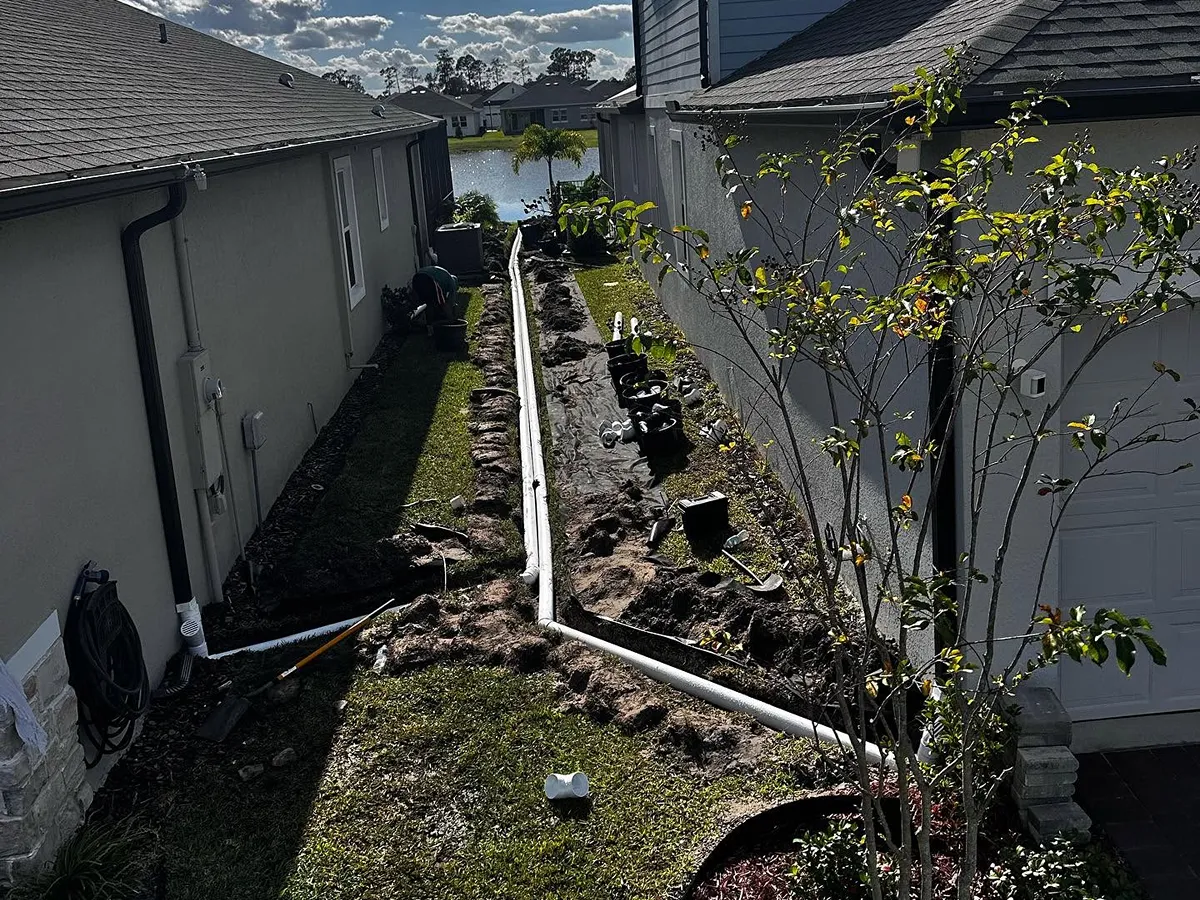
These neighbors had a side yard that stayed mushy for days after rainfall. Six gutter downspouts, three from each house, were releasing roof runoff into the same narrow area, creating standing water and muddy conditions.
Tree of Life routed downspout runoff toward the lake behind the properties. Michael reported that this eliminated approximately 80% of the water flooding the area, allowing the ground to dry more quickly.
Where Would a Drain Box Fit?
In a similar yard, a catch basin may be useful if surface water continues to collect at a defined low point. It could be connected to an appropriately sized underground line, provided the outlet and site conditions support it. In this documented project, the confirmed solution was redirecting downspout runoff.
Learn about underground downspout drainage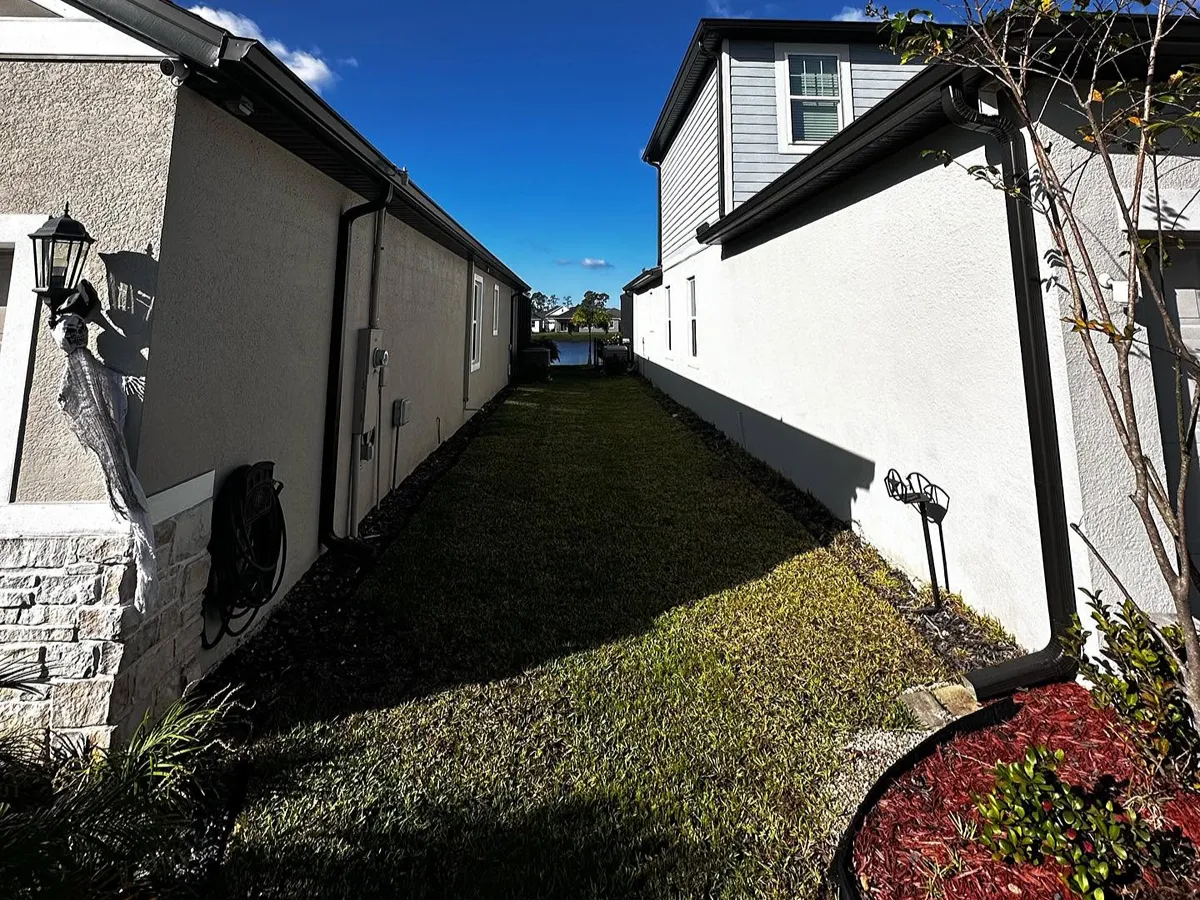
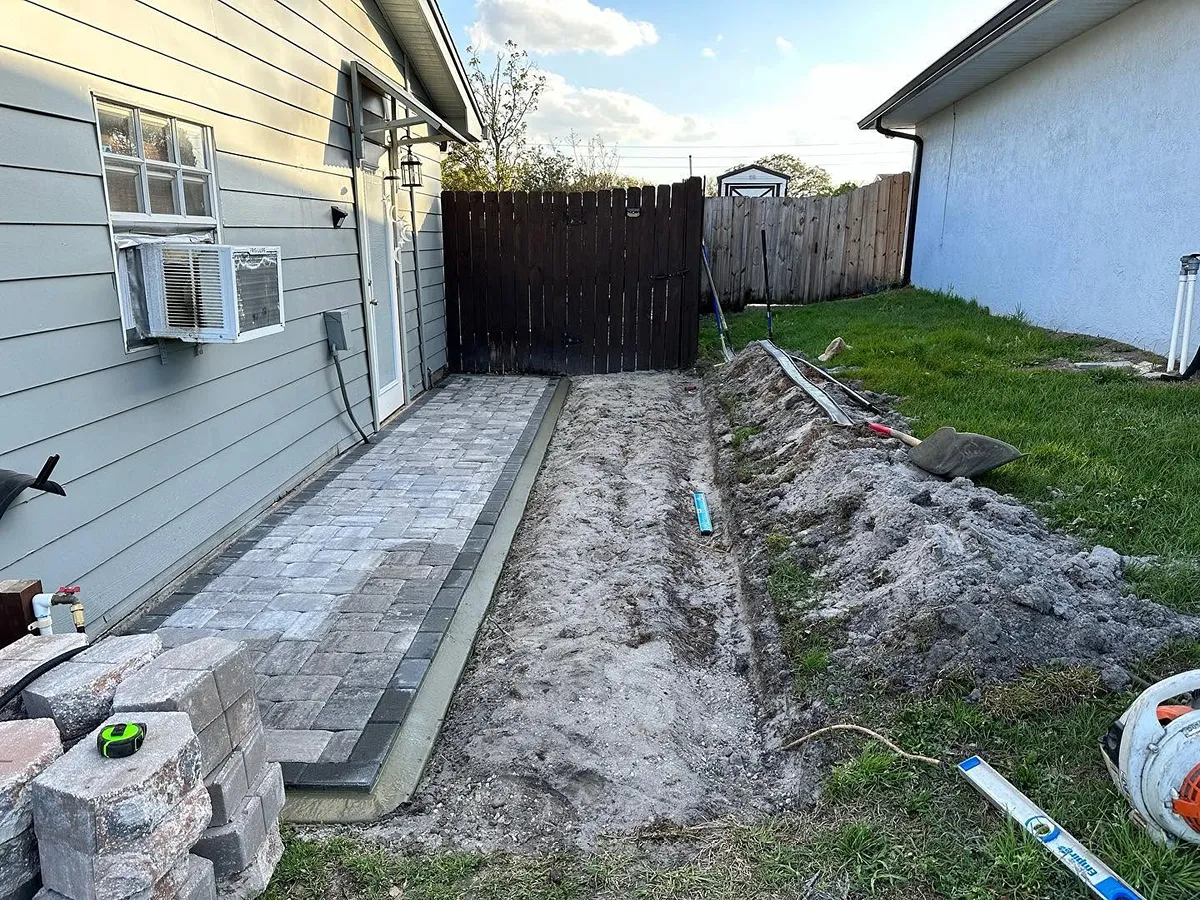
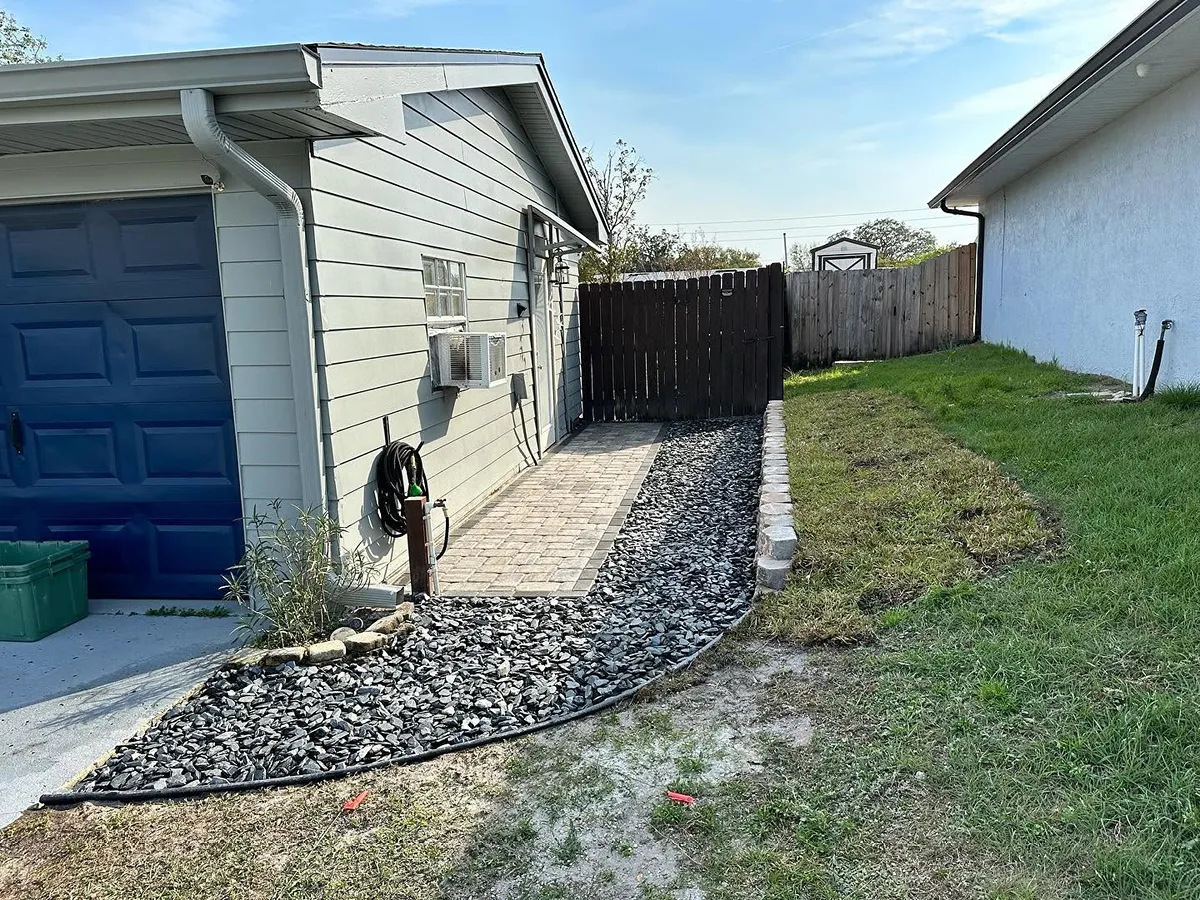
A Muddy Front Entry That Needed a Better Approach
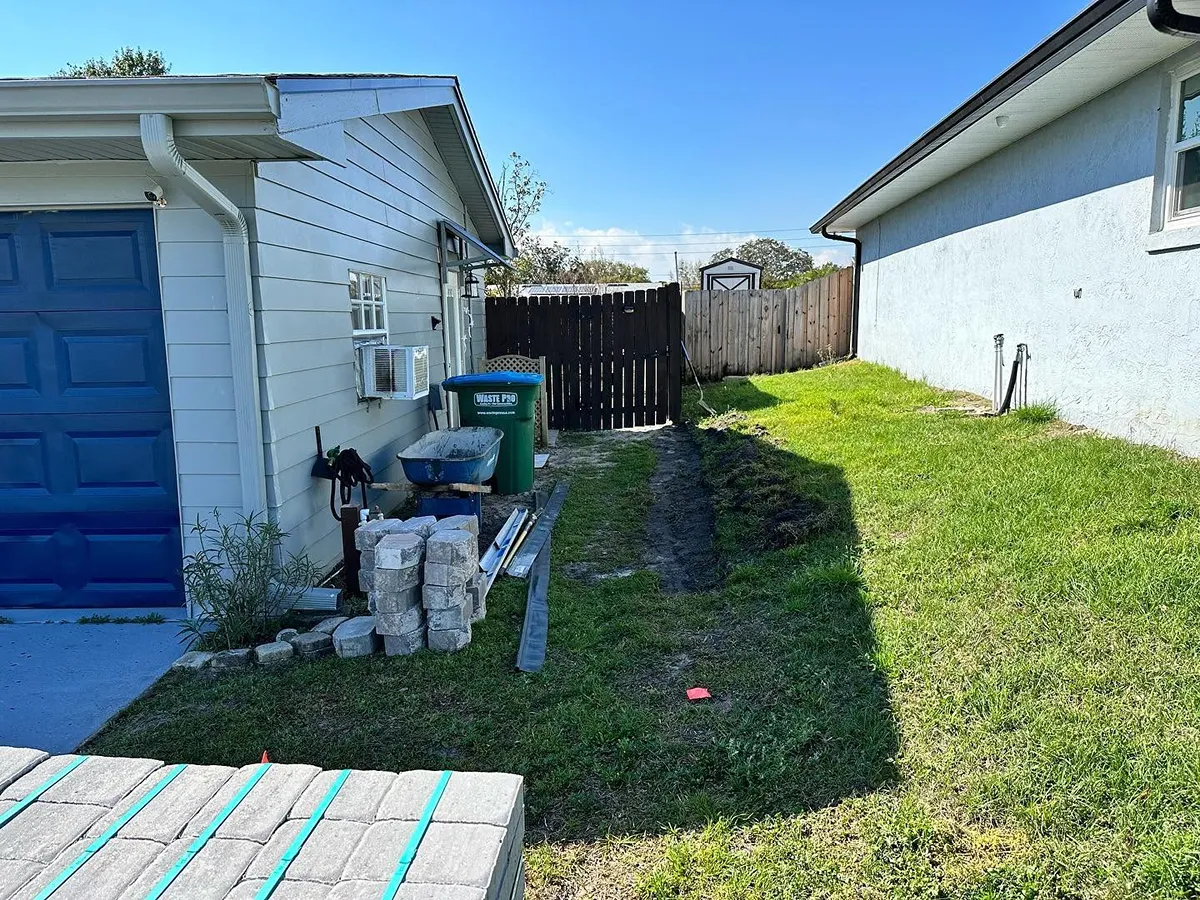
This homeowner was dealing with water retention and mud near the front entrance. The problem affected an area people needed to walk through, making both drainage and appearance important considerations.
Tree of Life completed a customized improvement that addressed the problem while also creating a more attractive entry area.
Could a Catch Basin Help Here?
Where runoff gathers beside an entrance, a drain box may be an option for intercepting surface water before it spreads across a walkway. Its usefulness depends on grading, the amount of runoff, and whether the collected water can be discharged appropriately. The exact drainage components used in this project have not been confirmed.
Have Water Collecting Near Your Entry?A Drain Box Needs the Right Location, Depth & Outlet
Installing a collection box at the wrong elevation can leave water pooling around it. We evaluate the surrounding grade and intended pipe route before determining where collection points should go.
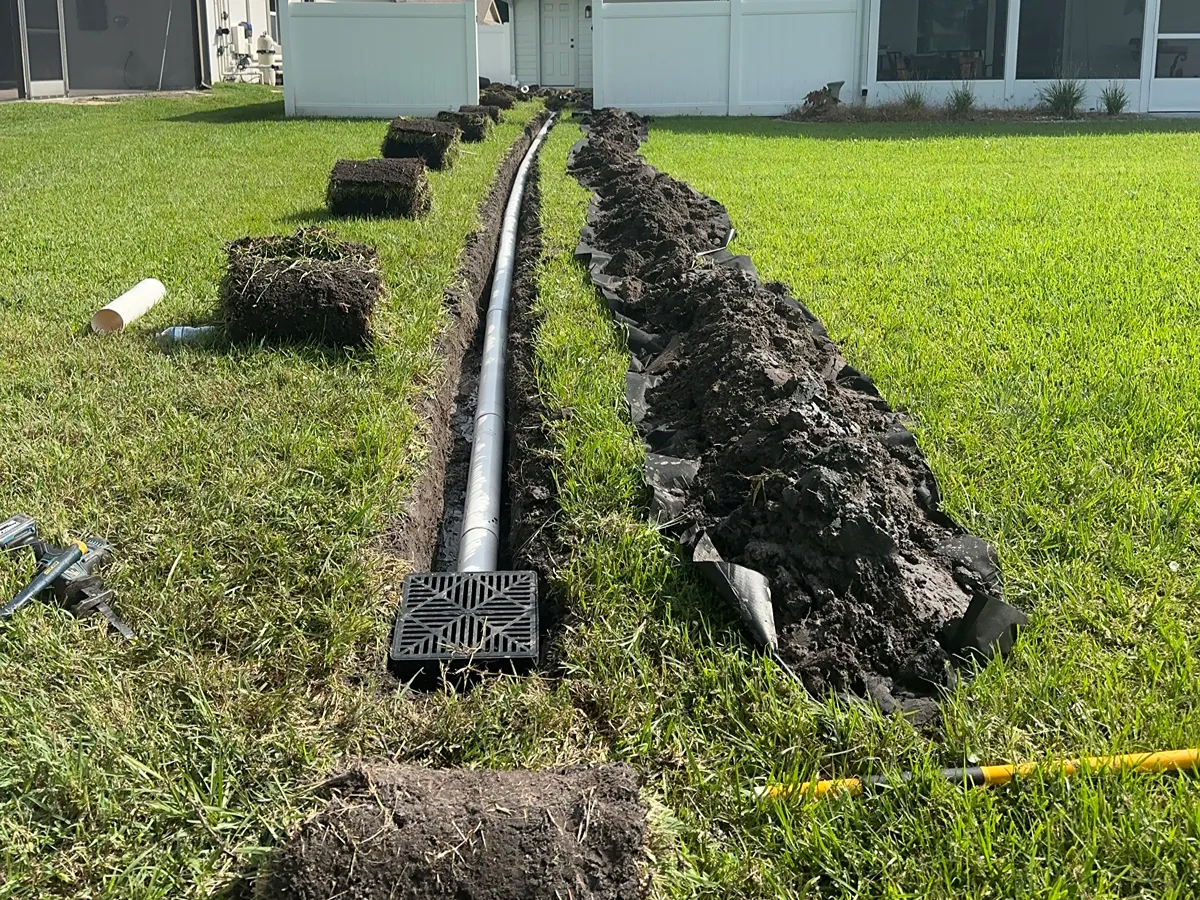 CARE TAKEN DURING DRAINAGE INSTALLATION
What Homeowners Say About Our Drainage Work
Drain Box Installation Across DeLand & Central Florida
Tree of Life Landscape & Design serves homeowners in Volusia County and surrounding Central Florida communities. We help evaluate standing water, low spots, and drainage issues around lawns, landscaping, and outdoor living areas.
Frequently Asked Questions About Catch Basins
What's the difference between a drain box and a French drain?
A drain box collects surface water entering through a grate. A French drain uses a permeable trench and perforated pipe to collect water within the surrounding soil. Both may be useful on the same property, depending on conditions.
Will a drain box fix standing water in my lawn?
It may help when water consistently collects at a defined low point and a suitable discharge route exists. If the entire lawn is saturated because of soil conditions or high groundwater, a different or combined approach may be necessary.
Can several catch basins connect to one pipe?
Yes, when the system is designed for the expected flow, pipe capacity, slope, and outlet conditions. More collection points do not automatically mean better drainage if the main line cannot carry the water.
Where does the water go after entering the box?
Water flows into underground piping and toward an appropriate discharge point or another designed drainage feature. The destination depends on the property's layout, available elevation, and applicable requirements.
Can you install a drain box in a flat yard?
Possibly, but a flat yard can make gravity drainage difficult. We need to assess whether a workable outlet exists or whether another drainage approach is more appropriate.
Do drain boxes need cleaning?
Yes. Leaves, sediment, grass clippings, and other debris can accumulate. The grate and accessible basin should be inspected and cleaned periodically, especially after heavy storms.
Can a catch basin be installed near a patio or walkway?
Yes, if the grading and discharge route are suitable. For water spreading across a larger paved surface, a channel drain may be more appropriate than a single collection box.
How much does drain box installation cost?
Cost depends on the number and size of basins, trench length, pipe routing, soil conditions, outlet requirements, and restoration. An on-site evaluation helps establish the appropriate system and estimate.
That Puddle Isn't Going to Fix Itself.
If your lawn, side yard, or entryway floods every time it rains, tell us what's happening. We'll evaluate whether drain boxes, underground piping, or another drainage solution makes sense.